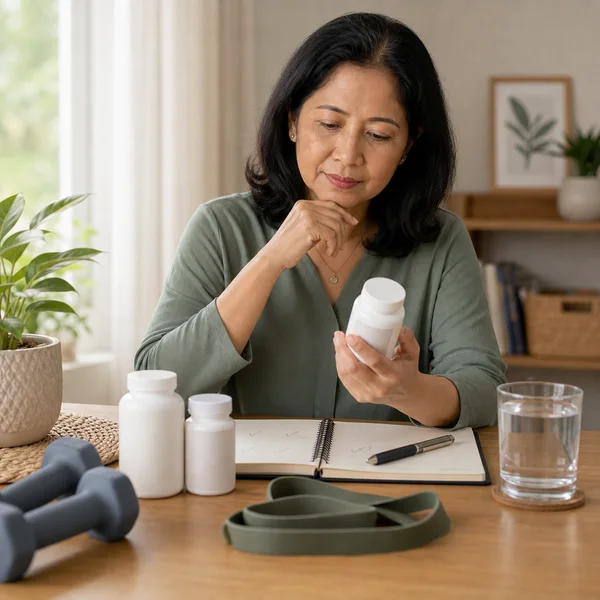
Magnesium glycinate + sleep hygiene + cool bedroom = improved sleep quality within 14 days for most women. If still struggling, cognitive behavioural therapy for insomnia is a Grade A intervention. Avoid benzodiazepines unless clinically necessary.
Quick Start
Quick Start Guide: Sleep
5 steps to relief within 7-14 days
1
Magnesium glycinate 30 minutes before bed
200mg the first week, increase to 400mg if needed. Glycinate is preferred because glycine itself is calming.
Doctor's Best
Doctor's Best High-Absorption Magnesium Glycinate
RM100-180Check capsule (bovine gelatin)Check the registration number (MAL/NPRA) on the product label
Suitable for: Good value-for-money pick with moderate evidence
No. Magnesium is a natural mineral you need every day. You can stop without rebound effects.
Can I combine with prescription sleep medication?
Discuss with your doctor. Magnesium with most sleep meds is safe but separate by 2 hours from certain medications.
What if it doesn't work?
After 4 weeks, see your doctor. Options include cognitive behavioural therapy for insomnia, hormone replacement therapy (if hot flashes disrupt sleep), or sleep apnea evaluation.
When should I see a doctor?
Book a medical review if symptoms are new, severe, worsening, affecting sleep or work, or linked with bleeding after menopause, chest pain, fainting, severe low mood, pelvic pain, or unexplained weight loss.
Last Reviewed:
Sources & References
Abbasi B, Kimiagar M, Sadeghniiat K, Shirazi MM, Hedayati M, Rashidkhani B (2012). The effect of magnesium supplementation on primary insomnia in elderly: A double-blind placebo-controlled clinical trial. Journal of Research in Medical Sciences. PubMedSource
Irwin MR, Olmstead R, Carrillo C, et al. (2014). Cognitive Behavioral Therapy versus Tai Chi for Late Life Insomnia and Inflammatory Risk: A Randomized Controlled Comparative Efficacy Trial. Sleep. PubMedDOI: 10.5665/sleep.4008Source
Joffe H, Massler A, Sharkey KM (2010). Evaluation and management of sleep disturbance during the menopause transition. Seminars in Reproductive Medicine. PubMedDOI: 10.1055/s-0030-1262900Source